Wildlife watching in Argentina
Right whales, penguin colonies, condors, jaguars and the marshes of Iberá — where the country's wildlife is, and the months each species is there.
By VisitZonda Editors ·
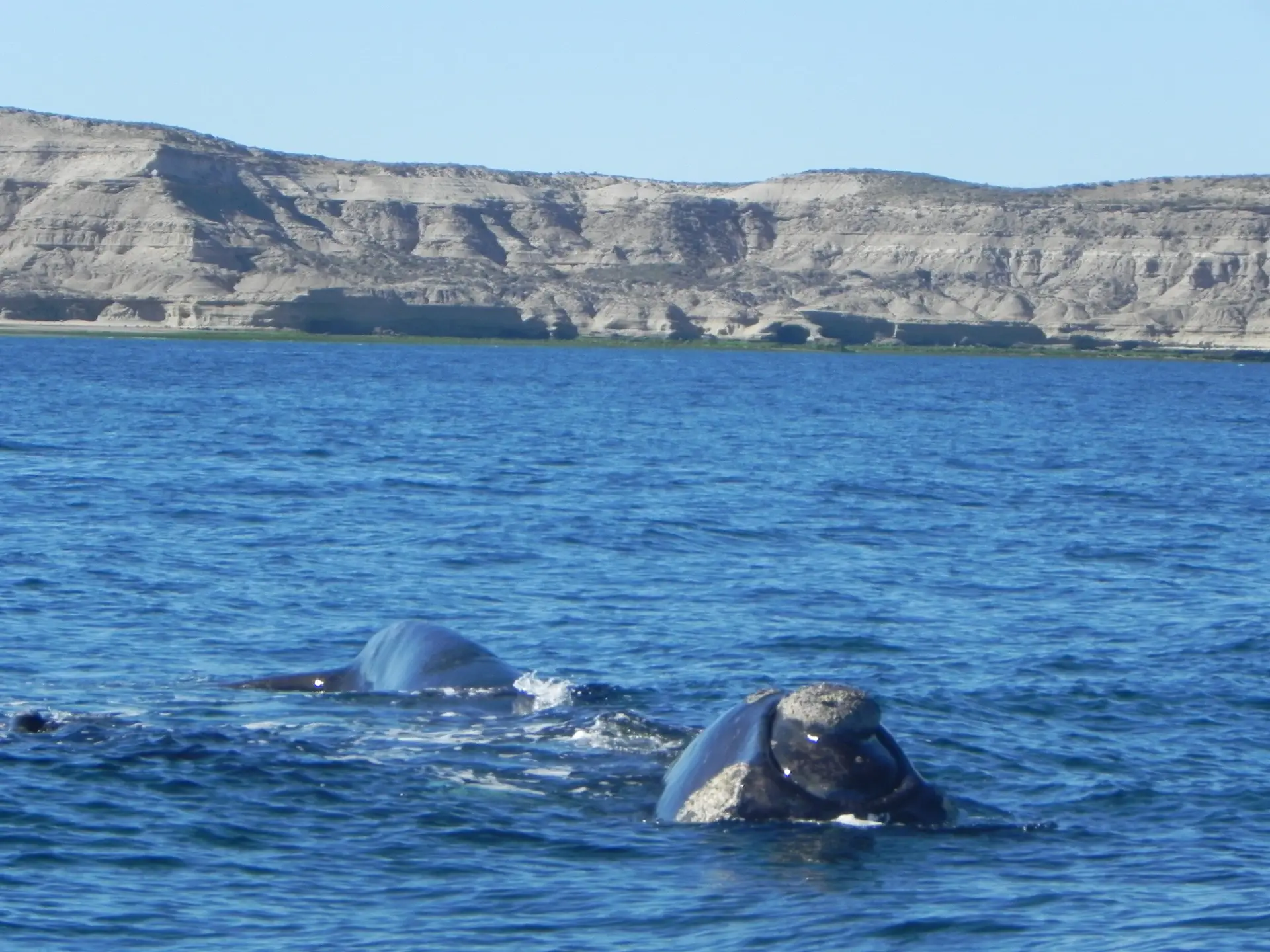
Photo: Fernanda Cabral Jeronimo, CC BY-SA 4.0

Argentina’s wildlife is concentrated in a handful of places, and most of it is seasonal. Turning up in the wrong month is the difference between a colony of a hundred thousand penguins and an empty beach.
Southern right whales — Península Valdés
The headline act. Whales arrive in the sheltered gulfs of Península Valdés (Chubut) from June, peak in September and October, and are mostly gone by December. Boat trips leave from Puerto Pirámides; the cliffs at El Doradillo, near Puerto Madryn, give good views from shore at no cost.
The same peninsula holds elephant seals, sea lions and the orcas that beach themselves to take sea lion pups — a behaviour unique to Punta Norte, most likely in March and April.
Penguins — Punta Tombo and the south
Punta Tombo, south of Trelew, is one of the largest Magellanic penguin colonies in the world: several hundred thousand birds between September and March, with chicks around December and January. Smaller colonies are scattered down the coast to Tierra del Fuego, and gentoo and king penguins can be seen in the Beagle Channel.
Jaguars and marsh wildlife — Esteros del Iberá
The Iberá wetlands in Corrientes are the great conservation story of the last decade: a 1.3-million-hectare marsh where jaguars, giant anteaters, pampas deer and giant otters have been reintroduced after decades or centuries of absence. Caimans, capybaras and more than 350 bird species are reliable year-round; April to September is the most comfortable season and the best for sightings.
Condors — Córdoba and the Andes
The Quebrada del Condorito national park in the Córdoba sierras is the easiest place in the country to watch Andean condors at close range, riding the thermals out of a 800-metre gorge. Mornings are best. Condors are also common along the Andes from the Northwest to Patagonia.
Flamingos and the high Andean lakes
Three flamingo species — Chilean, Andean and James’s — feed in the saline lakes of the Puna across Jujuy, Salta and Catamarca, at altitudes above 3,500 m. Laguna de los Pozuelos and Laguna Brava are among the most reliable, between November and March.
Marine mammals and seabirds — Tierra del Fuego
The Beagle Channel out of Ushuaia carries sea lion haul-outs, imperial cormorant colonies and, further out, albatrosses and petrels. The season runs roughly October to March.
Watching responsibly
- Keep to the marked paths at the penguin and sea lion colonies; the birds nest in burrows that collapse under foot.
- Use operators licensed by the provincial wildlife authority, especially for whale watching, where approach distances are regulated.
- Never feed or bait an animal, including for a photograph.
- A long lens and patience beat any attempt to get closer.
A rough calendar
- June–December — right whales, Península Valdés
- September–March — Magellanic penguins, Punta Tombo
- March–April — orcas, Punta Norte
- April–September — the Iberá wetlands
- November–March — Puna flamingos, and Beagle Channel seabirds
- Year-round — condors, Quebrada del Condorito